The Team
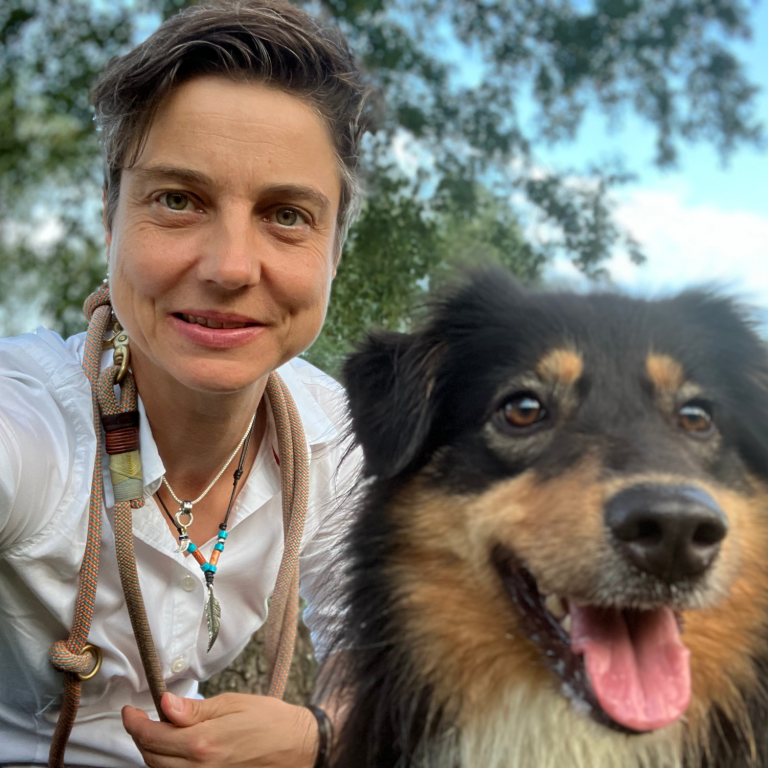
Olivia Masseck
(she/her)
Group leader
Olivia earned her PhD in Neuroscience from the Ruhr University Bochum. Originally trained as an electrophysiologist, she later expanded her expertise to optogenetics, protein design, circuits neuroscience, behavior and machine learning methods. After a reserach stay in the Laboratoire de Neurobiologie des Reseaux Sensorimoteurs, Université Paris Descartes, Paris, France, Olivia began her postdoctoral research in the lab of Stefan Herlitze and later became a junior group leader and assistant professor for advanced fluorescence microscopy at the Ruhr University Bochum. She then accepted a position as an associate professor for Synthetic Biology at the University of Bremen. Now, Olivia leads the Neuromodulatory Circuits Lab at the University of Cologne.
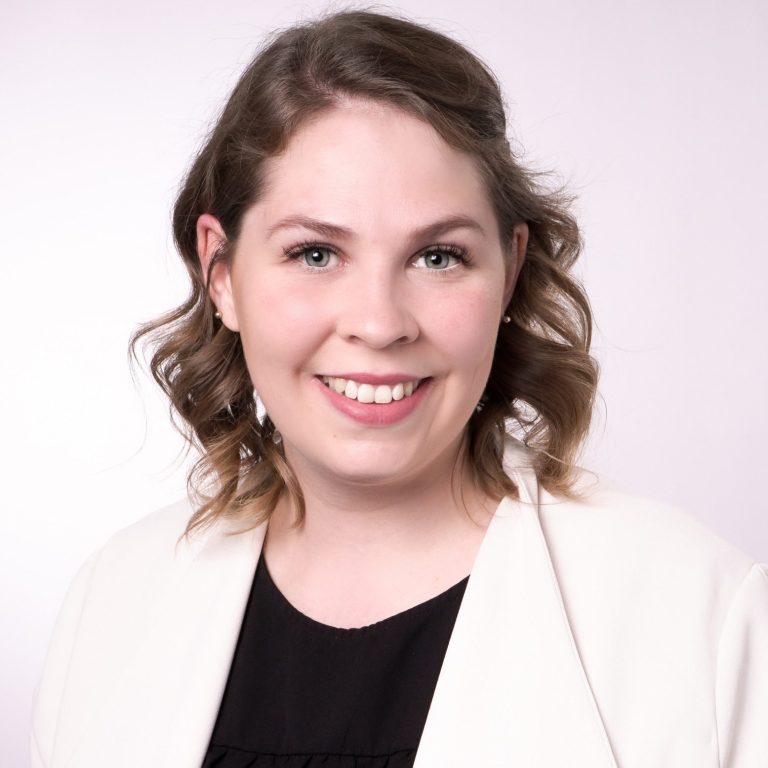
Franziska Decker
(she/her)
Postdoc
Originally from Cologne, Franziska took a rather scenic academic route back home: she studied Biosystems Technology and Bioinformatics in Wildau, Translational Neuroscience in Düsseldorf, and completed her PhD in Systems Neuroscience in Hannover, before finally returning to Cologne as a postdoctoral researcher in the Masseck Lab.
During her PhD, she investigated selective attention and auditory stimulus processing in freely behaving rats using a three-class oddball paradigm and in vivo electrophysiology in the medial prefrontal cortex. Her work combines behavioral experiments with quantitative neural data analysis in Python and MATLAB. In Cologne, she is continuing her work in in vivo electrophysiology while expanding her research to mouse models of depression and fiber photometry in behaving animals.
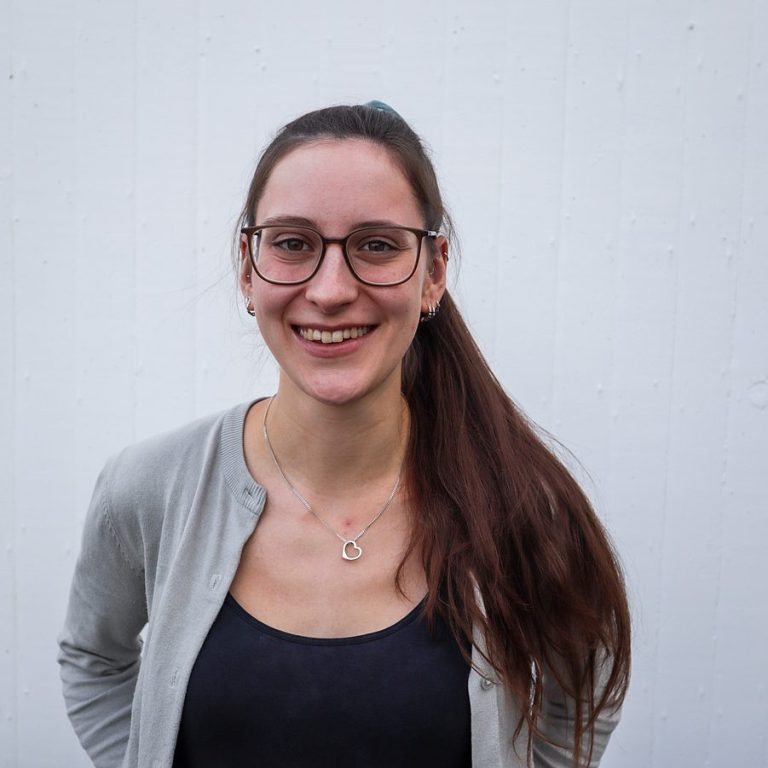
Juliana Groß
(she/her)
PhD Student
Juli grew up near Bonn, Germany, and earned her BSc in Applied Biology from the University of Applied Sciences in Rheinbach. She then pursued an MSc in Neurosciences at the University of Bremen, where she completed her thesis in the Masseck Lab, developing an optogenetic tool to control mitochondrial movement in vitro.
Continuing her research in the Masseck Lab, Juli transitioned from molecular approaches to in vivo electrophysiology in mice. Her doctoral research integrates optogenetics, electrophysiology, and behavioral studies to investigate the role of serotonin within the corticolimbic circuit in a mouse model of depression.
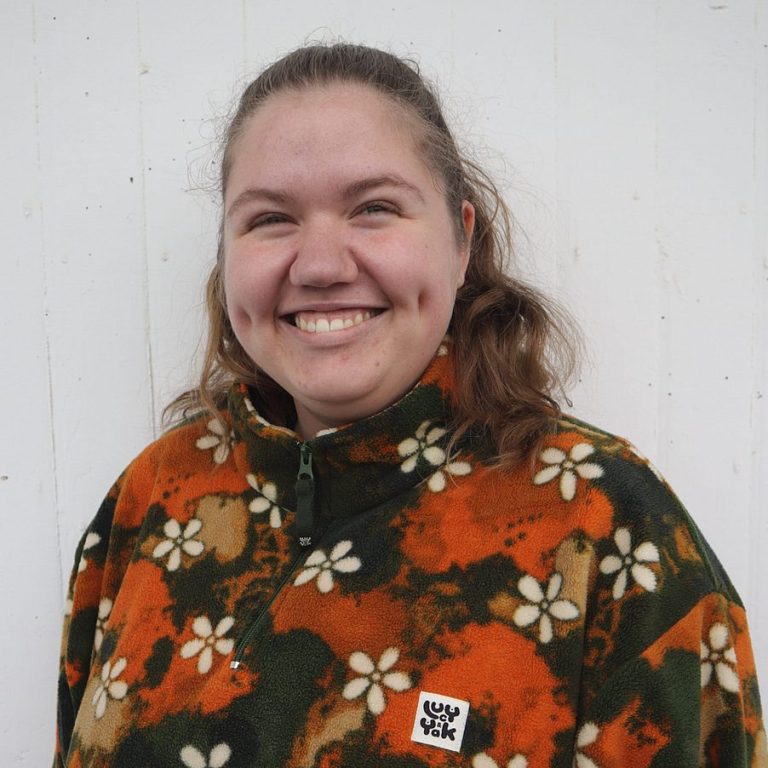
Maja Neubauer
(she/they)
PhD Student
Maja grew up in Stuttgart, Germany, and holds a BSc in Psychology from the University of Tübingen. She later pursued her MSc in Neurosciences at the University of Bremen, where she completed her thesis under the guidance of Sami Hassan, focusing on modelling learning strategies using a Bayesian framework. Following her passion for statistics and computational methods, she joined the Masseck Lab in November 2024. Her doctoral research aims to investigate the influence of neuromodulation on latent neural representations.
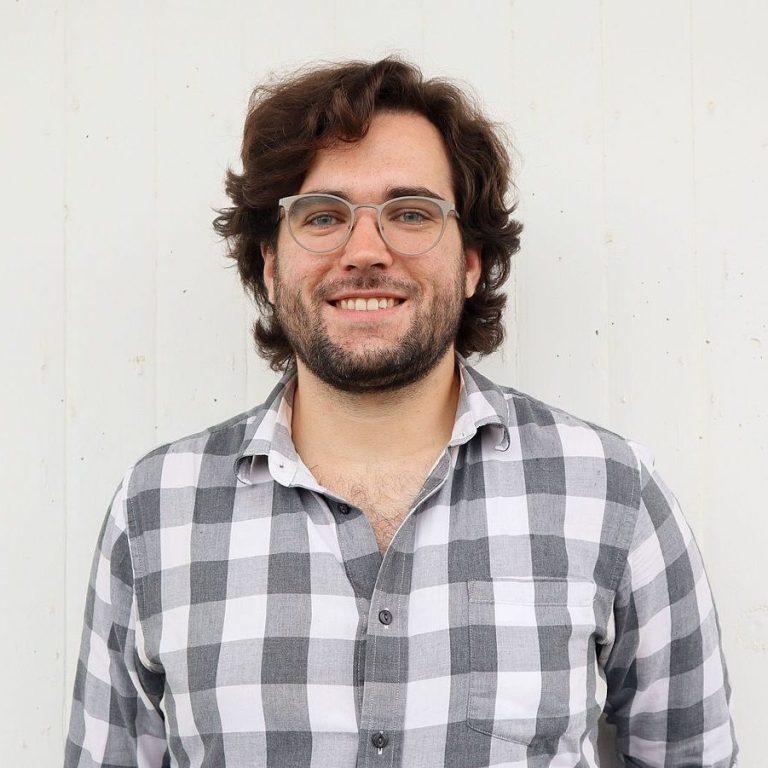
Ryan Fink
(he/him)
PhD Student
Ryan grew up in Seattle, Washington, USA and obtained a BSc in Molecular Biology at the University of Wyoming with a capstone project exploring mutations in aceK∆ Escherichia coli that restore glyoxylate bypass activity. He then moved on to the University of Bremen where he earned an MSc in Neuroscience, with a thesis in Prof. Dr. Olivia Masseck’s lab focusing on developing the mScarlet based calcium indicator PinkyCaMP. As a PhD student, he continues to improve PinkyCaMP as well as developing new mScarlet based biosensors for intensity and FLIM measurements, with an emphasis on GPCR based sensors.
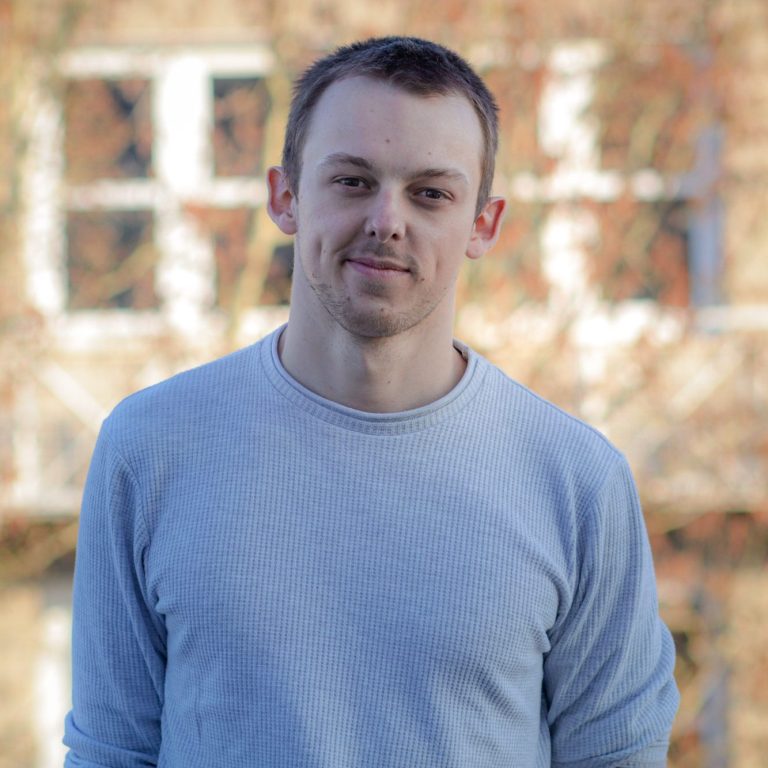
Niklas Meyer
(he/him)
PhD Student
Niklas will start his PhD in June in the Masseck Lab, and we are very much looking forward to welcoming him to our team!
Born in Syke, Niklas began his career as a surgical assistant in neurosurgery before embarking on his academic journey. He earned his Bachelor's degree in Molecular Biology and Biochemistry from the University of Kiel and continued his studies with a Master's degree in Neuroscience at the University of Bremen. During his Master's program, he engineered optogenetic serotonergic receptor chimeras, demonstrating his commitment to innovative research. He then contributed to the development of advanced multi-component optogenetic tools in Vierock's Subcellular Optogenetics Lab at the Charite Berlin. In his PhD Niklas will focuses on developing innovative sensors and optogenetic tools.
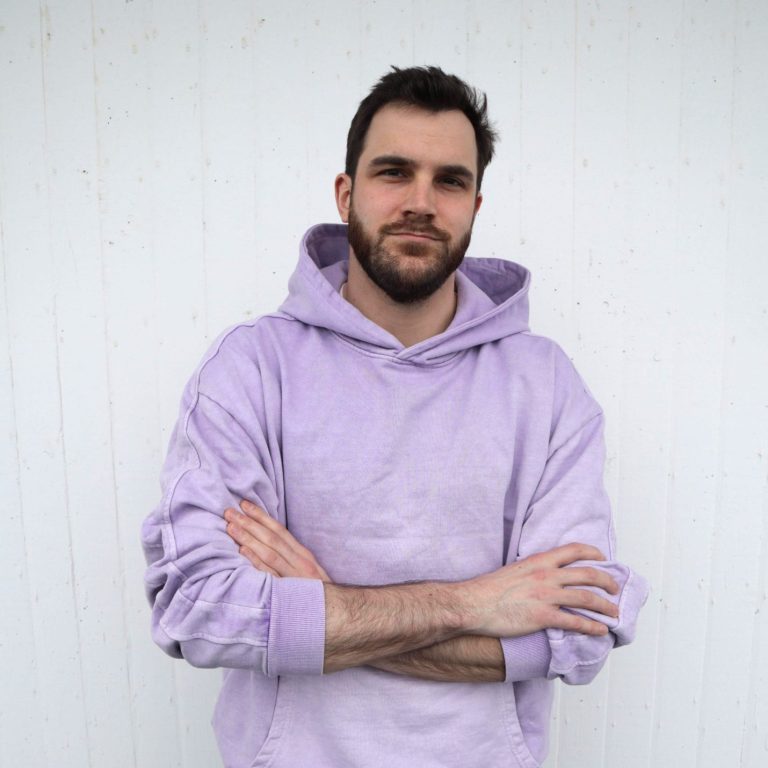
Arne Hansen
(he/him)
PhD Student
Arne grew up near Brunswick, Germany, and earned a BSc in Psychology from the University of Bremen. His passion for biological psychology led him to continue his studies in Bremen, where he pursued an MSc in Neurosciences, specializing in systems neuroscience under the mentorship of Sami Hassan. For his thesis, he explored the serotonergic modulation of hippocampal spatial coding properties, employing miniscope imaging in freely behaving mice. Arne will join the Masseck lab in May 2025, bringing his enthusiasm for optophysiological techniques, and pharmacological manipulation. His doctoral research aims to investigate the effects of new psychoactive substances (NPS) on serotonin and norepinephrine dynamics, highlighting their therapeutic potential in a mouse model of depression.
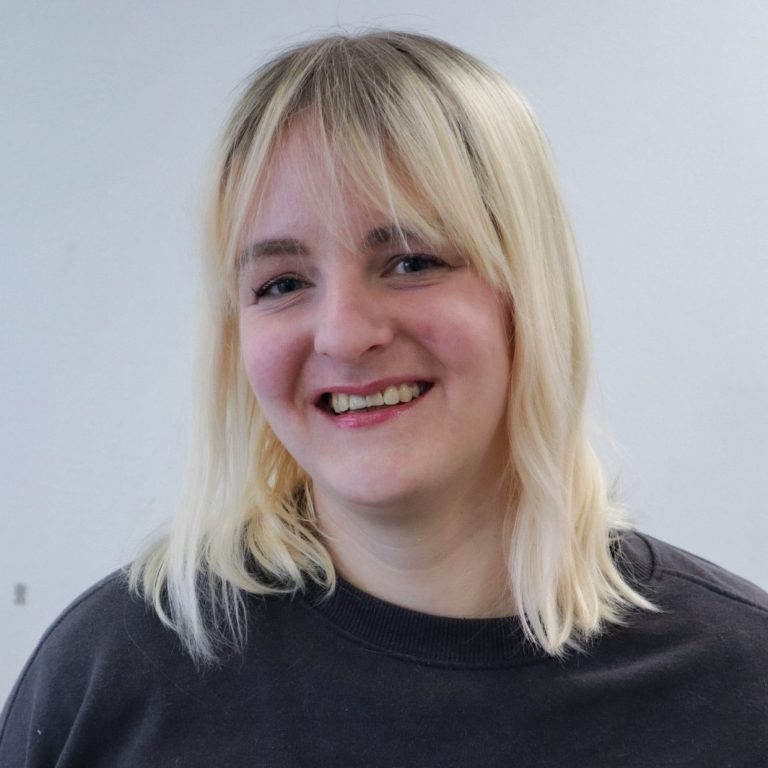
Svenja Bremshey
(she/her)
PhD Student
Svenja grew up in a town near Dortmund, Germany, and began her academic journey through a second-chance education. She earned her BSc in Biology from Ruhr-Universität Bochum, where she developed a strong interest in neuroscience, particularly in optogenetics and serotonin signaling in psychiatric disorders. For her undergraduate thesis in the lab of Stefan Herlitze, she engineered a light-activated 5-HT receptor chimera and characterized its function using electrophysiology.
During her MSc in Neuroscience in the Masseck lab, Svenja employed optogenetics to study anxiety behavior in mice. During her Master’s thesis, she even relocated with the Masseck Lab to Bremen, where she began later on her PhD research. Her doctoral work focuses on the role of astrocytic serotonin signaling in the medial prefrontal cortex in depression, utilizing a combination of optogenetics, imaging, and electrophysiology.
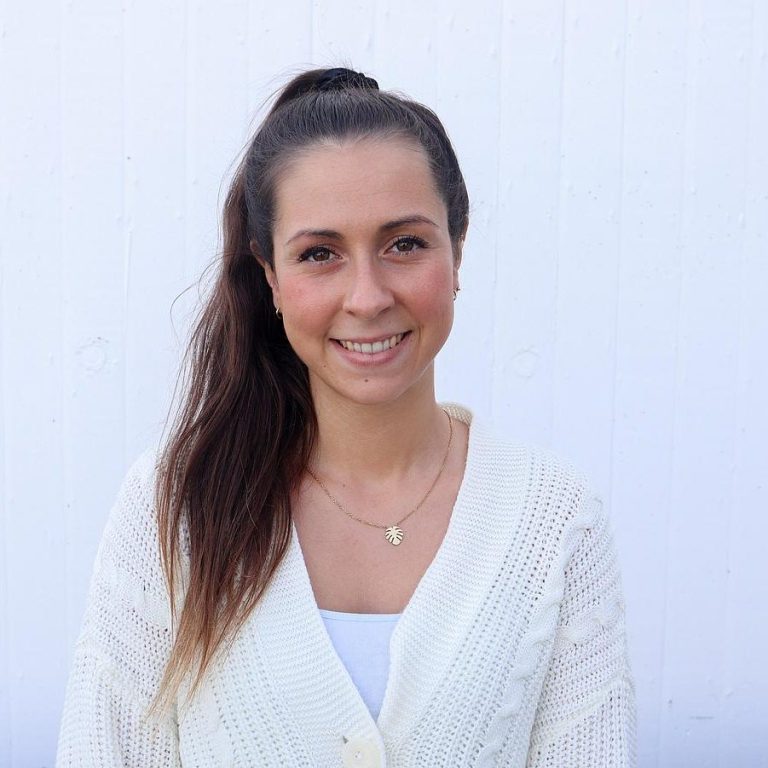
Imandra Kempe (she/her)
PhD Student
Imandra grew up in Berlin, Germany. She studied Biology at the University of Bremen, where she later also completed her MSc in Neuroscience. For her Master’s thesis, she returned to Berlin to work on an electrophysiology project at the Charité.
After earning her MSc degree, she gained experience working in a medical laboratory in Bremen before starting her PhD in the Masseck lab. Her doctoral research focuses on the heterodimerization and interaction of serotonin receptors, aiming to provide fundamental insights that could contribute to the development of more effective treatments for neuropsychiatric disorders.
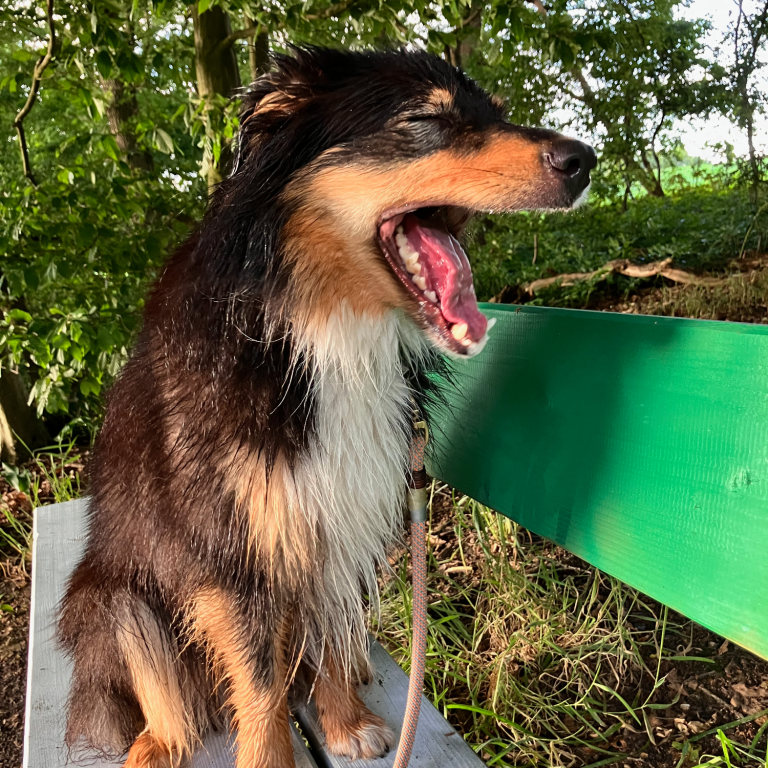
Girona
the real boss
Girona is a trained search and rescue dog who received her training at a rescue dog unit. She makes sure that each lab member takes short breaks to cuddle her.

Mason Thom
(he/him)
PhD Candidate
Mason grew up near Toronto, Canada and acquired a BSc in Biomedical Science at the University of Guelph. His interest in neuroscience led him to pursue graduate studies at the University of Bremen, where he completed an MSc in Neuroscience in the lab of Prof. Dr. Olivia Masseck. His thesis focused on developing a novel optogenetic biosensor for measuring serotonin. For his doctoral research, Mason is shifting away from molecular approaches and towards behavioral studies, investigating the contributions of V1 interneurons and the caudal raphe nucleus during reversal learning in a rodent model.

Sarah Salem
(she/her)
Research assistant
Sarah grew up in Cologne, Germany, and completed her training as a biological-technical assistant at a vocational college in Cologne. After graduating, she worked for two years in the Deelen group at the Max Planck Institute for Biology of Ageing. Where she worked on how genetic variants that occur only in long-lived individuals affect the function of signaling pathways related to aging and/or age-related diseases. Now Sarah started in the Masseck group at the University of Cologne, where she contributes to experimental neuroscience research on neuromodulatory circuits and behavior.

Alana Stüdle
(she/her)
Master student
Alana grew up in Freiburg im Breisgau, Germany, and earned a BSc in Biology from the University of Cologne. After focusing her Bachelor’s research on the mRNA expression of neuromodulator receptors in the hippocampus, she gained further experience in high-resolution imaging using micro-CT. Staying at the University of Cologne to continue her studies with an MSc in Neuroscience, she subsequently joined the Masseck Lab in January 2026 to begin her Master’s thesis. Together with Maja Neubauer, she investigates how neural circuits facilitate behavioral flexibility and adaptive decision-making, focusing on the mechanisms that allow the brain to process unexpected information and adjust behavior accordingly.

Lea Schöße
(she/her)
Master student
Lea grew up near Aachen, Germany, and earned her BSc in Biochemistry from the Heinrich-Heine-University in Duesseldorf. Following her graduation, she began her Master’s in Biochemistry and Molecular Medicine at the University of Cologne. During this period, she gained valuable practical experience in the genomic pathology at the University Hospital. Lea then completed an exchange semester at the University of Tokyo, where she joined the Robert E. Campbell lab and learned the fundamentals of biosensor design. This experience introduced her to Olivia Masseck, where she is currently completing her Master’s thesis, focused on developing a fluorescence sensor for cAMP.